Latest News
-
 June 4, 2026
BESS in India: Advait Records Highest Revenue Jump | NDTV Profit
-
May 17, 2026
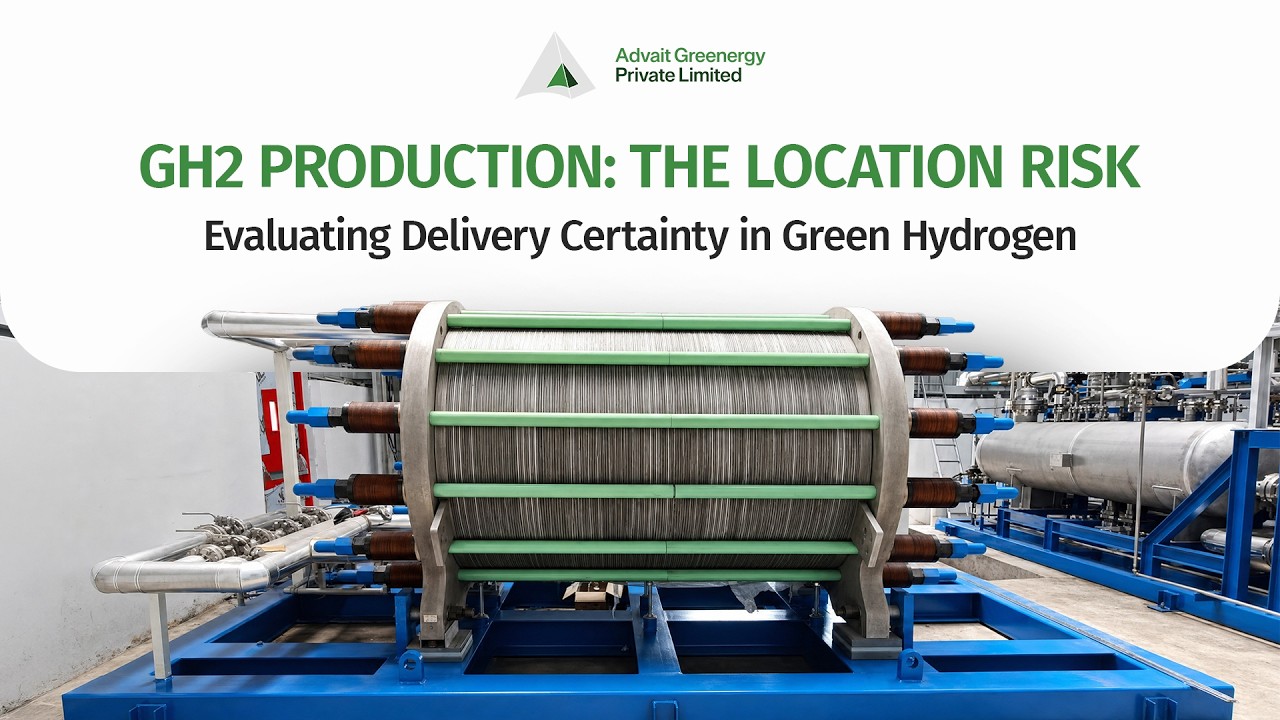
Where is the project located | Green Hydrogen | Locations | Advait Greenergy | Advait Group | AGPL
-
May 5, 2026
Building Advait Greenergy — India's Clean Energy Story | Rutvi Sheth Kundalia | AGPL | Advait Group
-
April 29, 2026
Where Every Electrolyzer Earns Its Place in India's Green Hydrogen Mission | Advait Greenergy
-
April 28, 2026
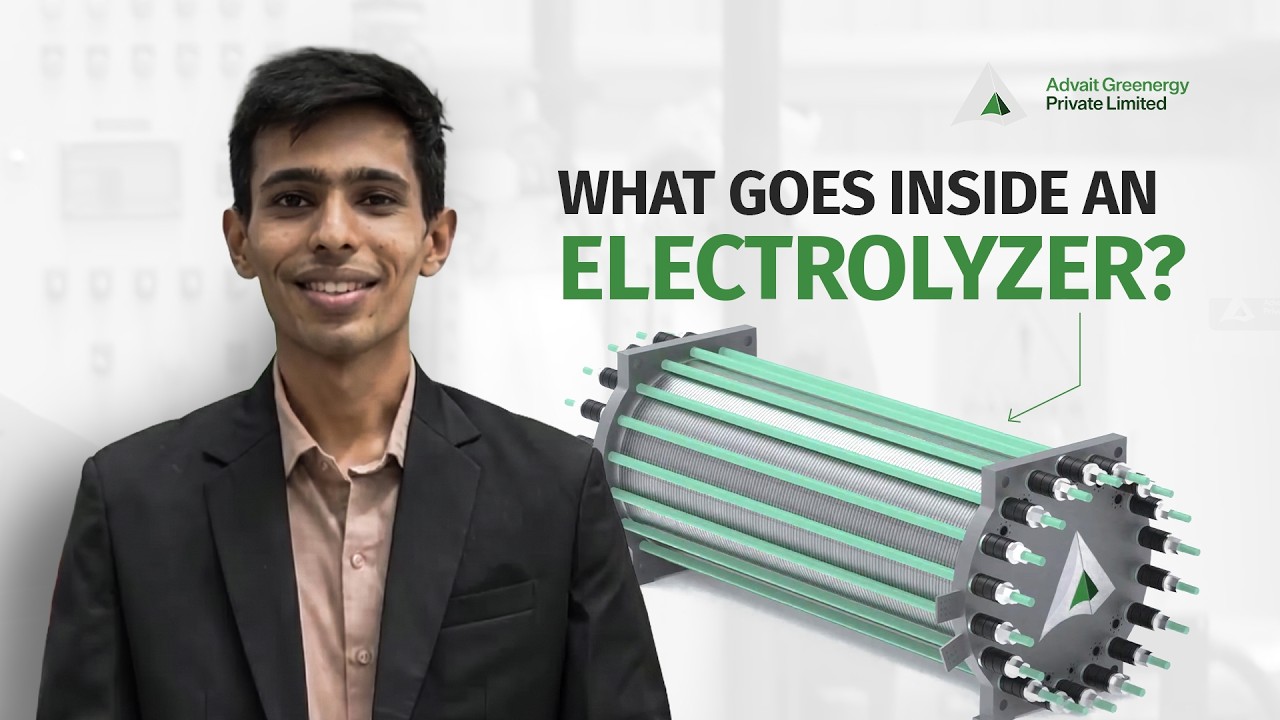
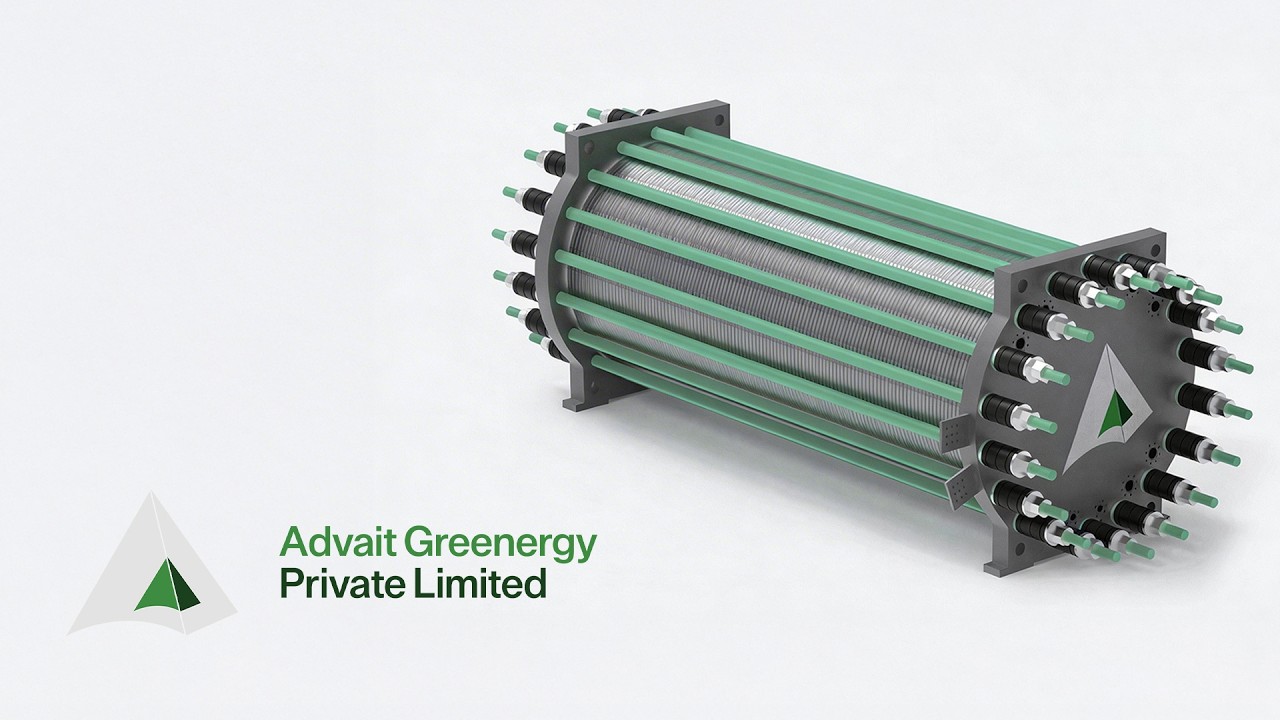
What goes inside an electrolyzer | Advait Greenergy | AGPL | Advait Group
-
April 27, 2026
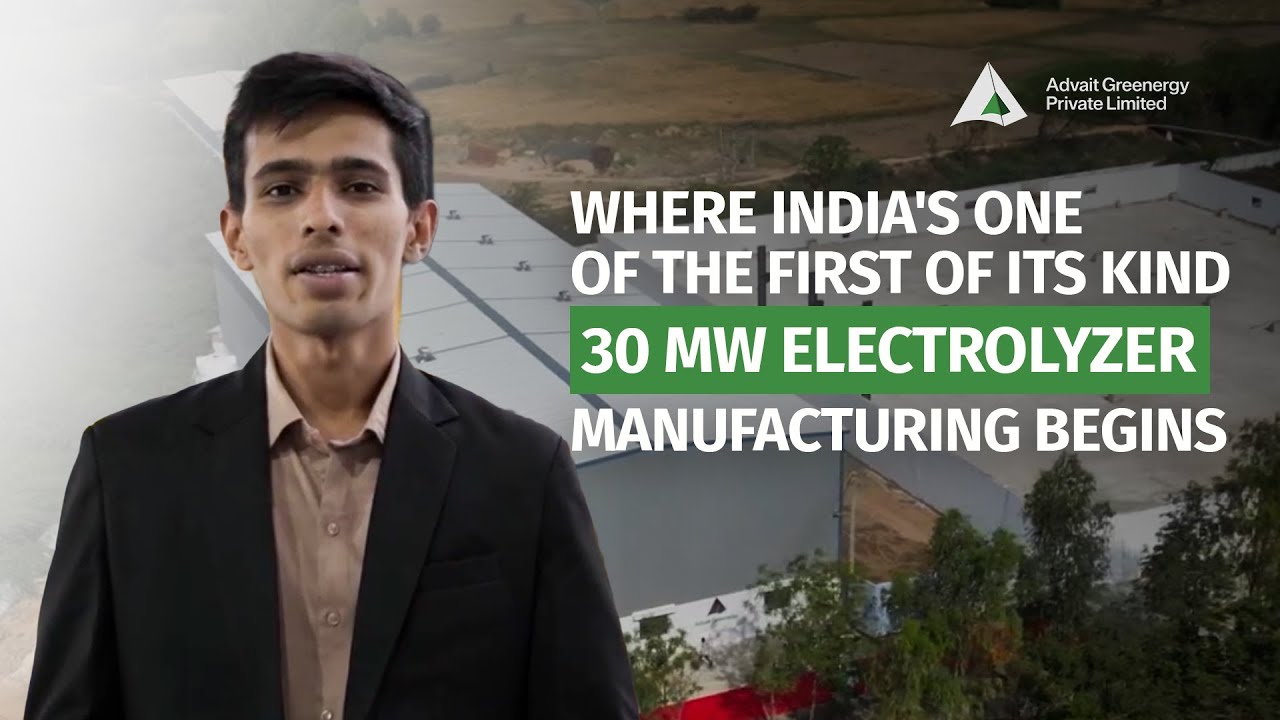
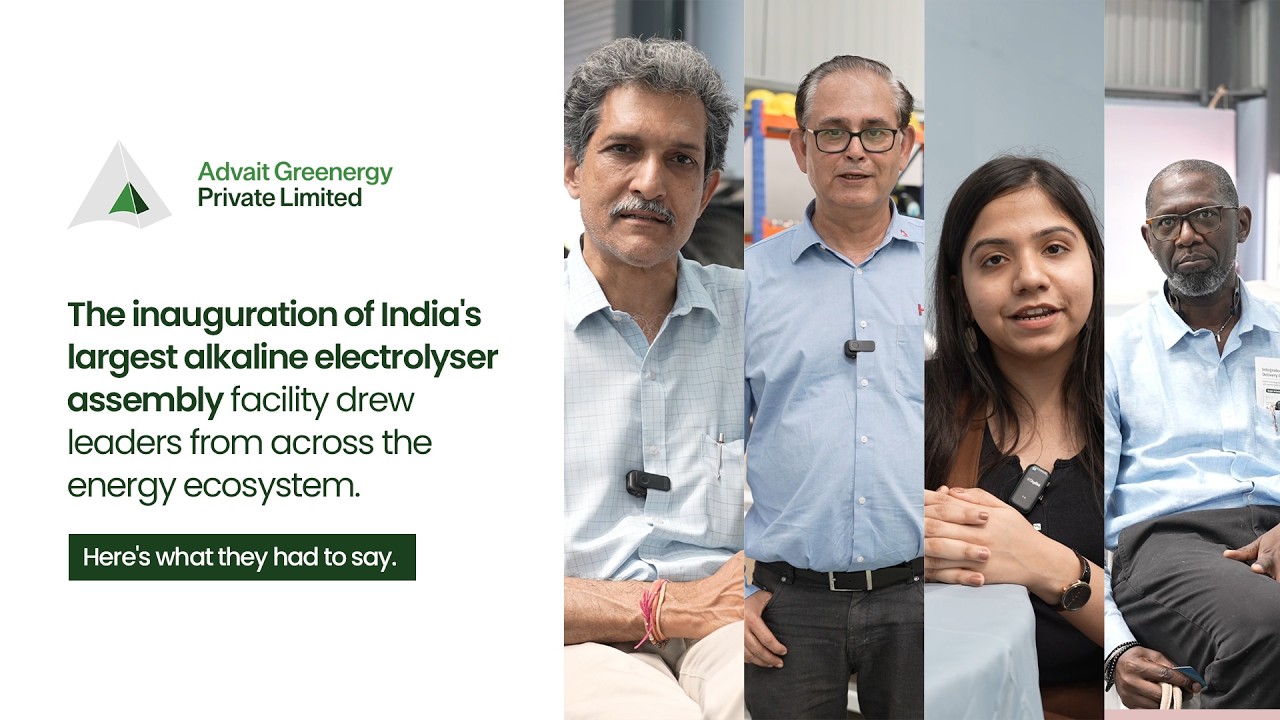
Inside India's One of the First 30 MW Alkaline Electrolyser Assembly Line | Part 1 | Advait Group
-
April 21, 2026
Somewhere between commissioning day and the first BESS tender | Advait Greenergy | AGPL | Advait
-
April 20, 2026
Where does green hydrogen actually make sense first? | Advait Greenergy | AGPL | Advait Group
-
April 18, 2026
Grey Hydrogen vs Green Hydrogen | Advait Greenergy | AGPL | Advait Group | Advait Energy | AETL
-
April 13, 2026
A quiet shift happened recently in New Delhi, and it didn’t get the attention it deserves | Advait
-
March 28, 2026
One of India's First 30MW Alkaline Electrolyser Assembly Line | AGPL | AETL | Advait Group
-
March 27, 2026
India's one of the first 30 MW alkaline electrolyser assembly line | Advait Greenergy | Advait Group
-
March 17, 2026
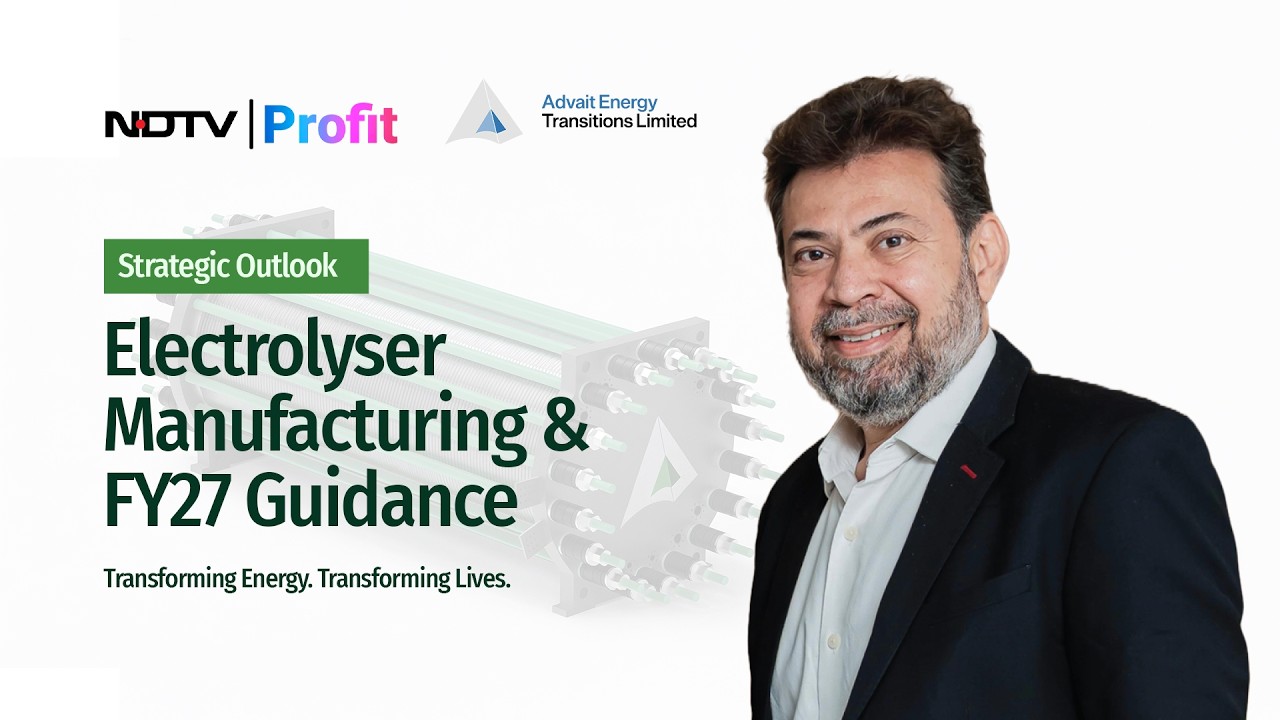
Strategic Outlook: Electrolyser Manufacturing & FY27 Guidance | Advait Energy Transitions Ltd.
-
March 13, 2026
Evolution of AGPL | Past, Present, and Future | Advait Group
-
 February 5, 2026
Why corporate relations will define the green energy future
-
 February 5, 2026
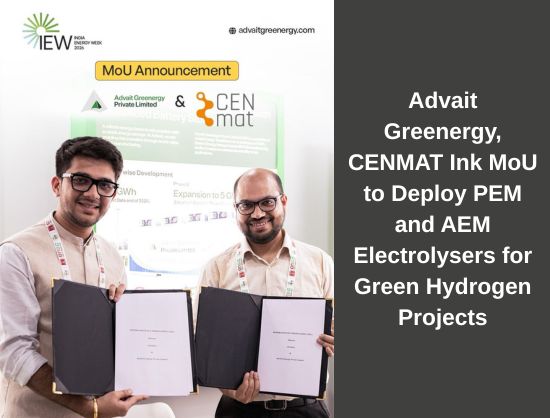
Advait Greenergy, CENMAT Partner to Scale Green Hydrogen Projects with PEM and AEM Electrolysers
-
 February 4, 2026
Advait Energy Transitions Limited's (NSE:ADVAIT) Popularity With Investors Is Clear
-
 January 30, 2026
India’s Battery Energy Storage Ambition Faces A Reality Check
-
January 29, 2026
Budget 2026: Vatsal Kundalia Deep Dive into Budget 2026 Energy Needs.
-
 January 22, 2026
Why Corporate Links Are Key To The Green Energy Shift






Budget Expectation
Advait Energy Transitions: Diversifying into the renewable energy sector
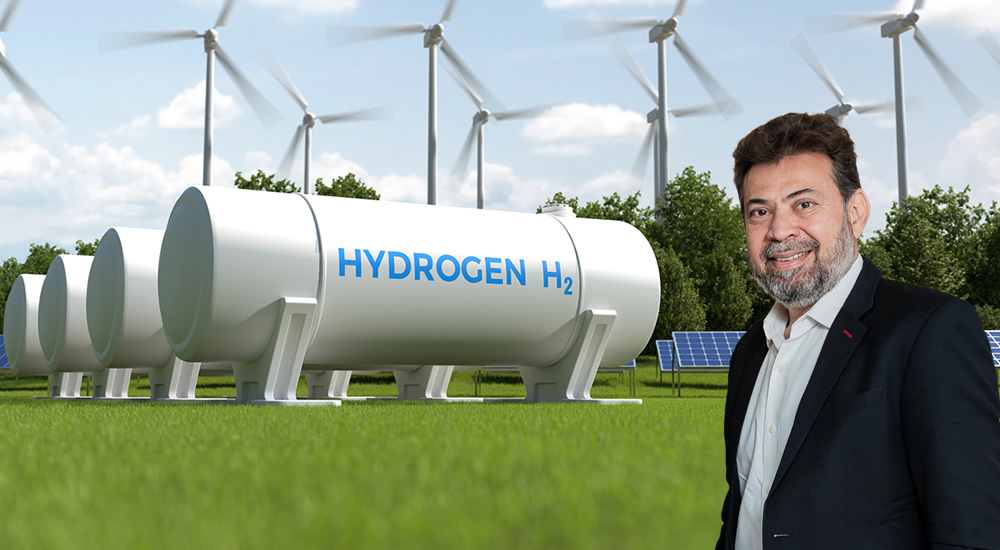
Founded in 2009, Advait Energy Transitions Limited has recently branched out into the renewable energy sector and now operates across the power transmission, renewable engineering, procurement and construction (EPC) and green hydrogen segments. In a recent interaction with Renewable Watch, Shalin Sheth, Founder and Managing Director, Advait Energy Transitions Limited, shared insights into the company’s portfolio, hydrogen initiatives and the execution realities shaping India’s decarbonisation journey. Edited excerpts…
Could you give an overview of Advait Energy Transitions Limited’s current portfolio?
Advait Energy Transitions operates across power transmission infrastructure, renewable energy EPC and emerging green energy solutions. Its portfolio spans transmission products and services such as optical ground wire, aluminium-clad steel wires, emergency restoration systems, stringing tools and live-line EPC, along with solar EPC and battery energy storage projects. In recent years, the company has expanded into green hydrogen systems, covering electrolysers, hydrogen generation, refuelling stations and associated infrastructure.
What strategic gaps in India’s clean energy ecosystem led Advait Energy Transitions to enter the green hydrogen space?
As renewable capacity scales, a key gap has been the lack of integrated solutions that connect generation, storage and grid stability with emerging clean fuels. Advait’s entry into green hydrogen and electrolysers was driven by the need for locally manufacturable, deployment-ready systems capable of operating within India’s grid constraints. Rather than treating hydrogen as a standalone technology, the move builds on Advait’s infrastructure and EPC experience, helping address execution, integration and reliability gaps across the ecosystem.
What key on-ground lessons emerged from commissioning India’s first microgrid-based green hydrogen plant?
One major learning was the importance of synchronising generation, storage and consumption within tight operational parameters. Variability in renewable supply requires careful system design and robust control mechanisms. The project also reinforced the need for modularity and phased commissioning to manage risk. Most importantly, it highlighted that hydrogen projects succeed only when electrical, mechanical and control systems are designed together rather than in silos.
Despite growing policy momentum, what are the key execution bottlenecks that are limiting the uptake of green hydrogen projects?
The main bottlenecks lie in project economics, grid integration and execution complexity. Electrolyser costs, renewable power availability and transmission access continue to vary significantly across locations. In addition, hydrogen projects require coordination among utilities, regulators and technology providers, which can slow execution. Scaling will depend on stable offtake structures and infrastructure readiness, not policy intent alone.
How realistic is India’s ambition to become a global electrolyser manufacturing hub, and what scale- or cost-related challenges remain?
India’s ambition is realistic, provided manufacturing is supported by steady domestic demand and execution-led deployment. Key challenges include achieving cost competitiveness at scale, ensuring supply chain localisation and maintaining consistent quality standards. Electrolyser manufacturing also requires alignment between renewable power availability, grid access and end-use demand. Without parallel growth across these areas, scale advantages will take longer to materialise.
What impact has the production-linked incentive (PLI) scheme had on electrolyser manufacturing so far, and what policy refinements would help accelerate deployment?
The PLI scheme has helped signal long-term policy intent and encouraged interest in domestic manufacturing. However, deployment remains gradual as manufacturers and developers align technology readiness with viable projects. Policy refinements that support offtake certainty, grid access and execution timelines would help translate manufacturing intent into deployed capacity. Incentives linked to actual project implementation could further accelerate adoption.
What is your long-term vision for Advait Energy Transitions’ role in India’s Green Hydrogen road map and broader decarbonisation goals?
Advait Energy Transitions’ long-term vision is to position itself as an infrastructure enabler rather than a standalone technology provider. The focus is on developing systems that link renewable power, grid reliability and hydrogen production in a practical and scalable manner. India’s transition to a cleaner energy future will depend on how effectively new technologies are integrated with existing systems. Renewable power, transmission infrastructure and green hydrogen cannot scale in isolation and must be planned in tandem to ensure reliability and economic viability. As the sector evolves, execution capability, manufacturing depth and grid readiness will increasingly determine which solutions move beyond pilot stages to widespread adoption.


