Skip to content
Battery Energy Storage

Battery Energy Storage System Solutions in India

Advait Greenergy Private Limited develops grid-connected battery energy storage systems for utilities and for commercial and industrial users in India. The company holds 200 MW / 400 MWh of contracted storage capacity with Gujarat Urja Vikas Nigam Limited across two projects, and is constructing a 5 GWh battery manufacturing facility at Gangad, Gujarat. Capability covers system design, integration, EPC and commissioning.

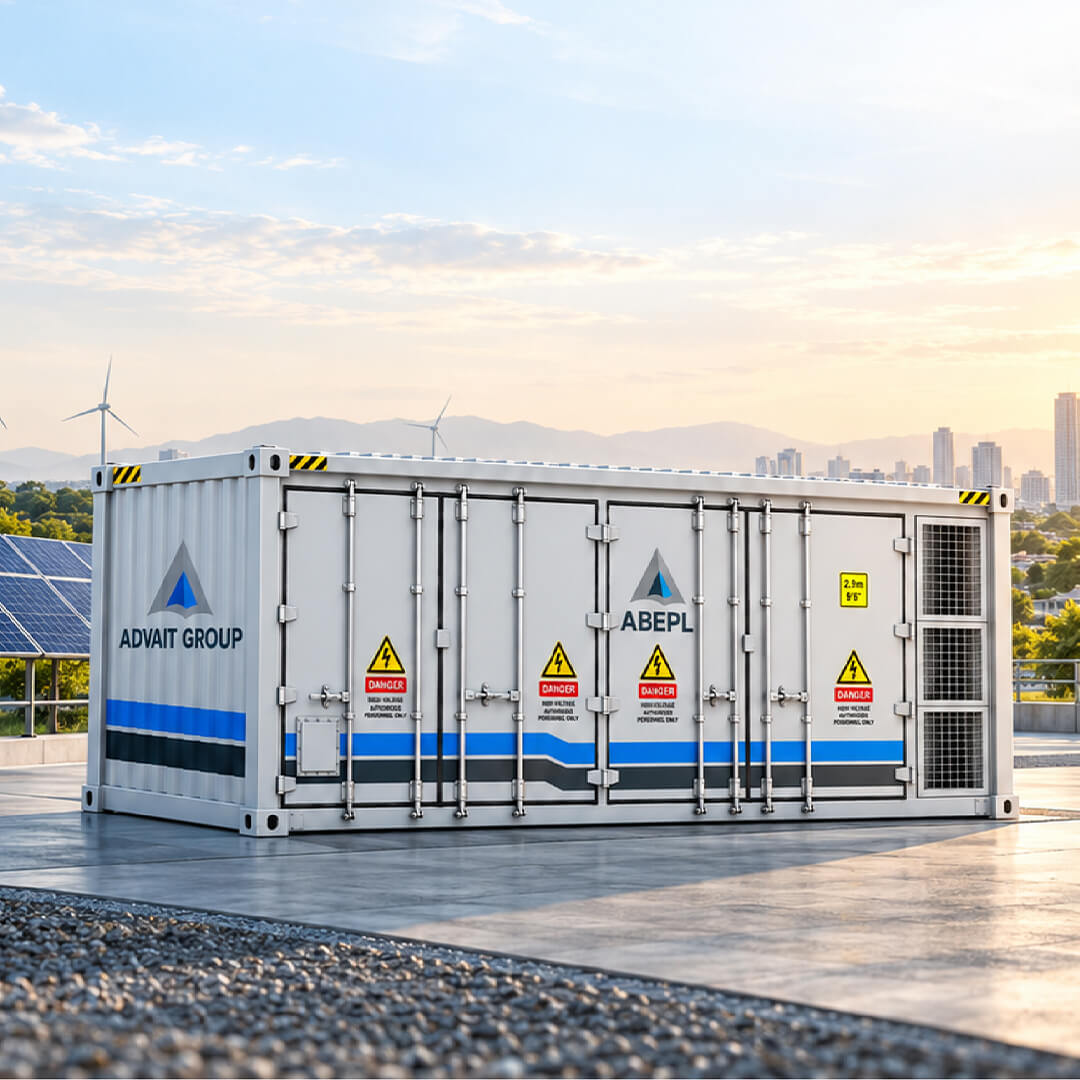
Containerised battery energy storage system by Advait Greenergy
200 MW / 400 MWhContracted storage capacity with GUVNL
2Grid-scale GUVNL projects
12 yearsBattery Energy Storage Purchase Agreement, GUVNL Phase VIII
5 GWhManufacturing facility under construction at Gangad
Energy Storage System

What Is a Battery Energy Storage System

A battery energy storage system, commonly abbreviated to BESS, stores electrical energy in batteries and returns it to the grid or to a facility when required.

Two figures define any system. Power, measured in MW, is how fast energy can be delivered. Energy, measured in MWh, is how much can be stored. A 50 MW / 100 MWh system delivers 50 MW for two hours. The ratio between them, the duration, is set by the application: frequency regulation needs high power over short duration, while shifting solar generation into the evening peak needs longer duration.

Reading a BESS rating

50 MW / 100 MWh

MW
Power: how fast energy is delivered
MWh
Energy: how much is stored
Duration = MWh ÷ MW2 hours

An energy storage system connected to the transmission network performs three functions.

01

Shift

It absorbs generation during periods of surplus and returns it during demand.

02

Support

It provides ancillary services including frequency regulation and voltage control.

03

Firm

It firms variable renewable output, converting a generation profile that cannot be scheduled into one that can.

System Architecture

Energy Storage System Batteries and Configuration

Grid-scale storage in India predominantly uses lithium-ion cells. Chemistry is selected for cycle life, thermal stability and safety rather than energy density, which matters far less in a stationary application than in a vehicle.

Cells are assembled into modules, modules into racks, and racks into containerised units. Each container integrates thermal management, fire detection and suppression, and a battery management system monitoring cell voltage, current and temperature.

ComponentFunction
CellStores energy electrochemically
ModuleGroups cells with monitoring and balancing
RackSeries and parallel assembly to system voltage
Battery management systemMonitors cell state, balances charge, enforces safe operating limits
Power conversion systemConverts between DC storage and AC grid
Thermal managementMaintains cell temperature within operating window
Fire detection and suppressionContainer-level safety system

Cell Chemistry and Cycle Life

Cycle life is the number of full charge and discharge cycles a system delivers before capacity falls to a defined threshold. It determines whether a system can meet a contracted cycling obligation across the concession term. The Radhanpur project is designed for two cycles per day, which over a twelve-year agreement sets a demanding requirement on cell selection and on how the system is operated.

Thermal Management and Safety

Cell performance and degradation are both temperature-dependent, so containers maintain cells within a controlled operating window. Safety design covers gas detection, fire suppression at container level, and physical separation between containers to prevent propagation.

Projects

Grid Scale Battery Storage Projects

Grid scale battery storage in India is procured through tariff-based competitive bidding by state utilities, with capacity contracted under a battery energy storage purchase agreement and supported by viability gap funding. Advait Greenergy holds 200 MW / 400 MWh contracted with GUVNL across two projects.

ProjectCapacityOfftakerStructure
GUVNL Phase VIII150 MW / 300 MWhGUVNL12-year BESPA, tariff-based global competitive bidding
Radhanpur, Patan50 MW / 100 MWhGUVNLBuild-own-operate, 66 kV connection
GUVNL Phase VIII 150 MW / 300 MWh standalone battery energy storage project by Advait Greenergy
Gujarat · Standalone BESS

GUVNL Phase VIII: 150 MW / 300 MWh

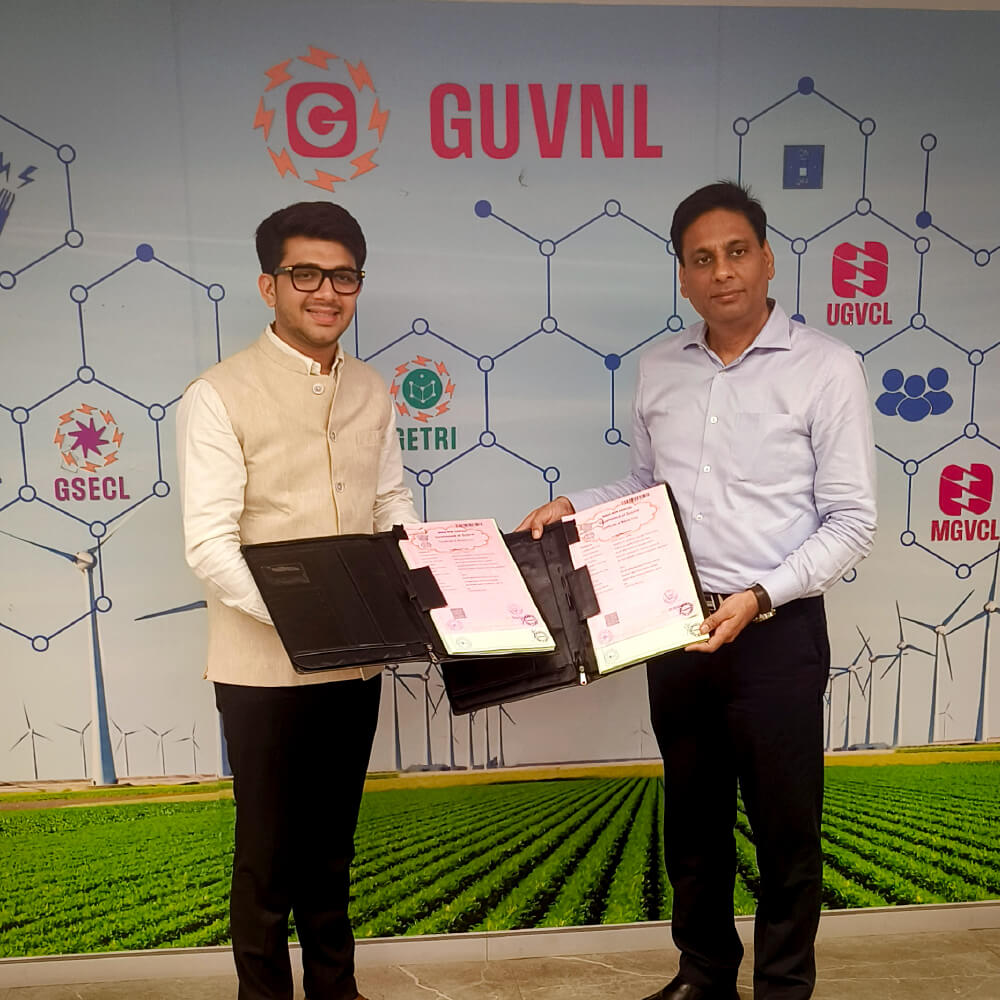
Advait Greenergy secured a 150 MW / 300 MWh standalone battery energy storage project under the GUVNL Phase VIII tariff-based global competitive bidding process. The project is valued at over ₹4.5 billion and is governed by a twelve-year Battery Energy Storage Purchase Agreement.

Viability gap funding is provided at ₹1.8 million per MWh through India's Power System Development Fund.

>₹4.5 billionProject value
12 yearsBESPA term
₹1.8 million / MWhVGF, Power System Development Fund
Global TBCBProcurement route
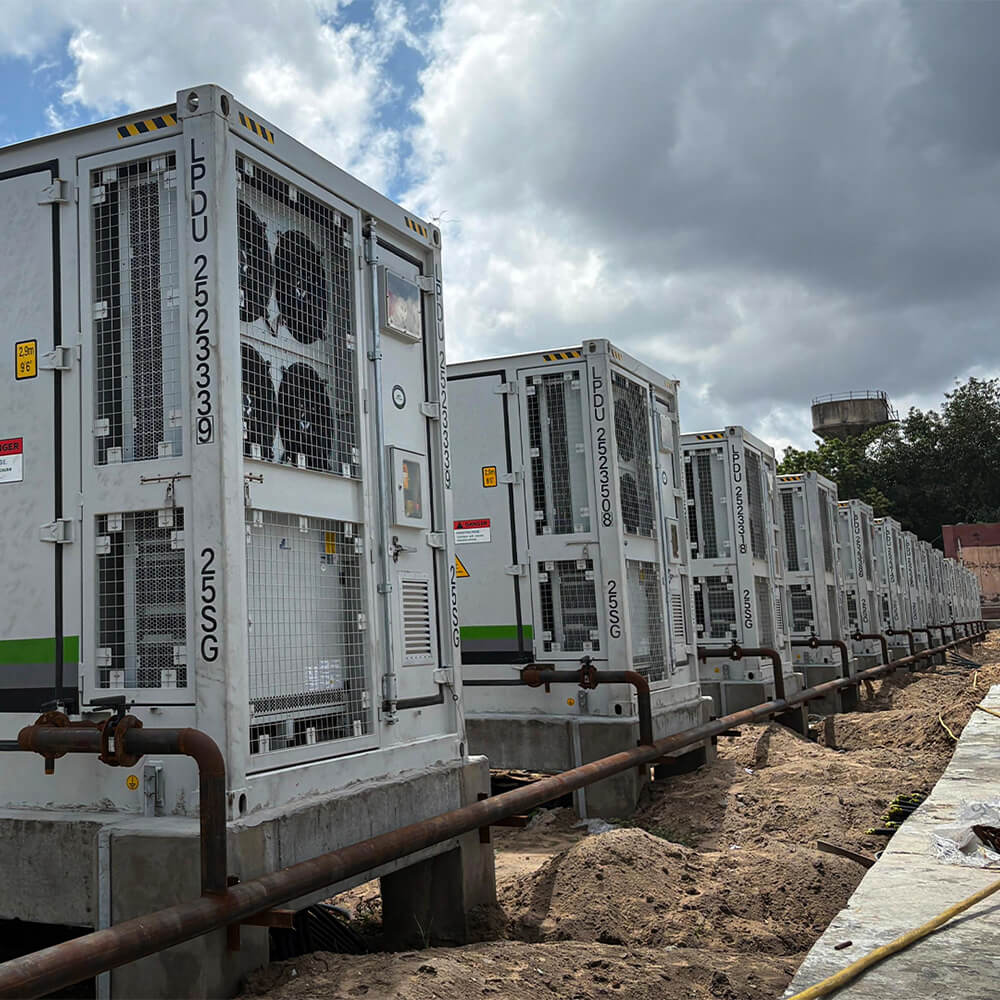
Radhanpur 50 MW / 100 MWh battery energy storage system at Patan, Gujarat
220 kV Radhanpur substation, Patan, Gujarat

Radhanpur: 50 MW / 100 MWh

The Radhanpur project is located at the 220 kV Radhanpur substation in Patan, Gujarat, and connects at 66 kV. It operates under a build-own-operate model, meaning Advait Greenergy finances, constructs, owns and operates the asset while GUVNL contracts its capacity.

The system uses lithium-ion batteries designed for two cycles per day. Viability gap funding is provided at ₹27 lakh per MWh, supported by the Ministry of New and Renewable Energy, Government of India.

Build-own-operateContract model
66 kVGrid connection
2 cycles / dayLithium-ion design duty
₹27 lakh / MWhVGF, MNRE supported
Make in India

Battery Energy Storage System Manufacturing in India

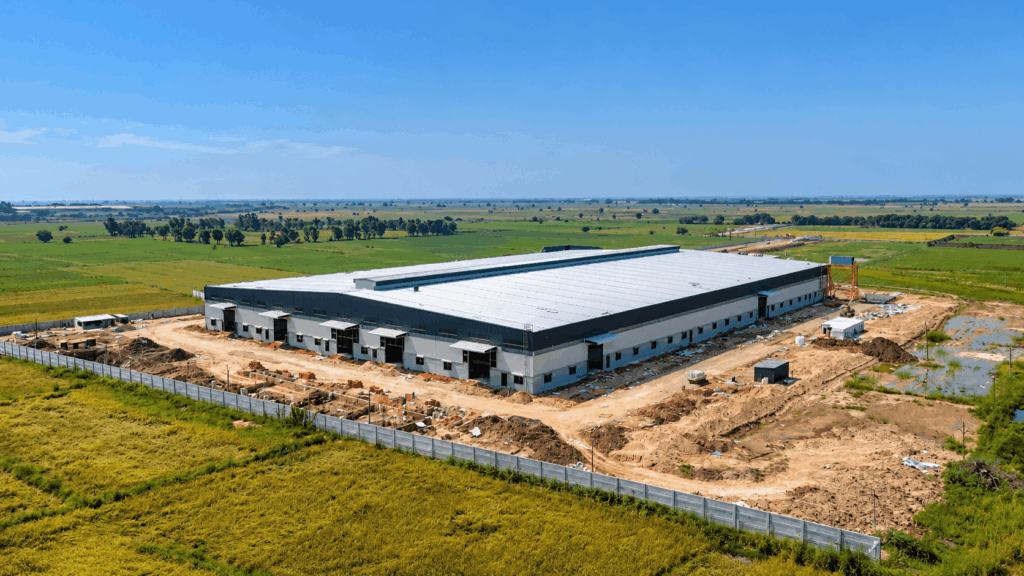
Advait Greenergy is constructing a 5 GWh battery energy storage manufacturing facility at Gangad, near the Ahmedabad–Dholera highway corridor in Gujarat.

Domestic manufacturing matters for utility procurement in India for two reasons. Tender conditions increasingly reference local content. And delivery schedules on imported systems have proved difficult to hold against project timelines, where a slipped shipment can delay commissioning by a quarter or more.

Manufacturing within India shortens the supply chain between award and commissioning, and reduces exposure to external suppliers for critical system components.

Cell-to-Pack-to-Module Production Line

The facility operates an automated cell-to-pack-to-module production line covering cell assembly, module integration, pack assembly and final testing.

01Cell assembly
02Module integration
03Pack assembly
04Final testing
Robotic weldingAI-based quality controlPrecision coating
Advait Greenergy battery energy storage manufacturing facility at Gangad, Gujarat
Phased Capacity Rollout
Phase 1: 2.5 GWh5 GWh full capacity
Phase 1 annual capacity2.5 GWh
Phase 1 operations commenceOctober 2026
Full capacity5 GWh
Output supplies
Utility-scale solar and windEV charging infrastructureHeavy industrial backup
Applications

Storage Configurations

Storage is contracted in several forms depending on what the offtaker requires. Advait Greenergy engineers across all of them.

Utility

Standalone BESS

Storage connected directly to the grid without co-located generation, contracted to a utility for grid support and energy arbitrage. Both GUVNL projects are standalone systems.

Utility

Round-the-Clock and FDRE Solutions

Round-the-clock solutions combine renewable generation with storage to deliver continuous supply across 24 hours. Firm and dispatchable renewable energy solutions go further, contracting a defined output profile that the generator must meet, with storage absorbing the variability between generation and the committed schedule.

Both formats have become common in Indian tenders because a utility contracting firm capacity gets more value than one contracting variable output.

Solar plus storage

Hybrid Energy Storage Systems

A hybrid energy storage system pairs battery storage with co-located generation, most commonly solar. Daylight generation is stored and delivered during the evening peak, when demand and tariffs are highest and solar output has fallen to zero. Advait Greenergy delivers solar and storage together, drawing on its solar EPC capability.

Behind the meter

Commercial and Industrial Storage

Behind-the-meter storage at a commercial or industrial facility reduces demand charges by shaving peak load, shifts consumption from high-tariff to low-tariff periods, and provides backup supply during grid interruption. System sizing is determined by the facility load profile rather than a standard product range, and installations are frequently paired with on-site solar.

Buyer's Guide

Choosing Among Battery Energy Storage System Companies in India

Buyers frequently conflate three distinct roles. A supplier may perform one, two or all three.

ROLE 01

Cell manufacturer

Produces the electrochemical cells.

ROLE 02

System integrator

Assembles cells into containerised systems with controls and safety.

ROLE 03

EPC contractor

Designs, builds and commissions the installed project.

AssessWhat to check
Delivered recordNamed offtakers, contracted capacity, projects reaching commissioning
TechnicalCell chemistry, cycle life against the contracted cycling obligation, round trip efficiency, degradation warranty
SafetyThermal management design, fire detection and suppression, container separation
CommercialBalance sheet supporting the warranty term, O&M capability, concession experience
Local contentManufacturing location against tender requirements
The distinction between a supplier that has won a tender and one that has operated an asset across a concession matters. A twelve-year purchase agreement transfers performance risk to the developer, which is a different commitment from supplying equipment.
Get in Touch

Discuss Your Storage Requirement

Share your application, approximate capacity and timeline, and our team will respond with an initial assessment.

01Share application, power, energy and timeline
02Technical team reviews the requirement
03Initial assessment shared with you
Thank you. Your requirement has been received.

Our team will review the details and respond with an initial assessment.

FAQ

Frequently Asked Questions

What is a battery energy storage system?

A battery energy storage system, abbreviated to BESS, stores electrical energy in batteries and returns it to the grid or to a facility when required. At utility scale it shifts generation from surplus periods to demand periods, provides frequency regulation and voltage control, and firms variable renewable output. Systems are rated in MW for power and MWh for energy.

What batteries are used in energy storage systems?

Grid-scale storage in India predominantly uses lithium-ion cells, selected for cycle life, thermal stability and safety rather than energy density. Cells are assembled into modules, modules into racks, and racks into containerised units with integrated thermal management, fire detection and a battery management system.

What is grid scale battery storage?

Grid scale battery storage refers to systems connected at transmission or sub-transmission voltage and contracted to a utility, as distinct from behind-the-meter installations at a single facility. Advait Greenergy's Radhanpur project is a 50 MW / 100 MWh system connected at 66 kV at the 220 kV Radhanpur substation in Patan, Gujarat.

What is a BESPA?

A Battery Energy Storage Purchase Agreement is the contract under which a utility procures storage capacity from a developer. Advait Greenergy's 150 MW / 300 MWh GUVNL Phase VIII project is governed by a twelve-year BESPA, secured through tariff-based global competitive bidding.

What is viability gap funding for battery energy storage?

Viability gap funding is a capital subsidy that improves the commercial viability of storage projects, awarded through competitive tender. The GUVNL Phase VIII project carries ₹1.8 million per MWh through the Power System Development Fund. The Radhanpur project carries ₹27 lakh per MWh, supported by the Ministry of New and Renewable Energy.

What is a build-own-operate model?

Under a build-own-operate model the developer finances, constructs, owns and operates the asset across the concession term, while the utility contracts its capacity. Performance risk sits with the developer rather than the offtaker. The Radhanpur project operates on this basis.

What is a hybrid energy storage system?

A hybrid energy storage system pairs battery storage with co-located generation, most commonly solar. Daylight generation is stored and delivered during the evening peak, converting a variable output into a schedulable one. Round-the-clock and firm dispatchable renewable energy tenders both rely on this configuration.

How do you evaluate battery energy storage system companies in India?

Distinguish first between cell manufacturers, system integrators and EPC contractors, since these are different roles often described in the same language. Then assess delivered record with named offtakers, cycle life against the contracted cycling obligation, degradation warranty terms, thermal and fire safety design, and the balance sheet supporting a warranty that may run twelve years.

Does Advait Greenergy manufacture batteries in India?

A 5 GWh battery energy storage manufacturing facility is under construction at Gangad, Gujarat, near the Ahmedabad–Dholera highway corridor. Phase 1, of 2.5 GWh annual capacity, is scheduled to commence operations in October 2026. The plant operates an automated cell-to-pack-to-module line with robotic welding and AI-based quality control.

How many cycles per day can a battery energy storage system deliver?

Cycling frequency is set by the contract rather than the technology. The Radhanpur project is designed for two cycles per day, which requires cell chemistry and thermal management rated for that duty across the twelve-year agreement. Higher cycling shortens calendar life unless the system is specified accordingly.

Can battery energy storage be installed at a commercial or industrial site?

Yes. Behind-the-meter storage is used for peak shaving, demand charge reduction and backup supply, and is frequently paired with on-site solar. System sizing is determined by the facility load profile rather than a standard product range.