Recent Post
-
 18 June 2025
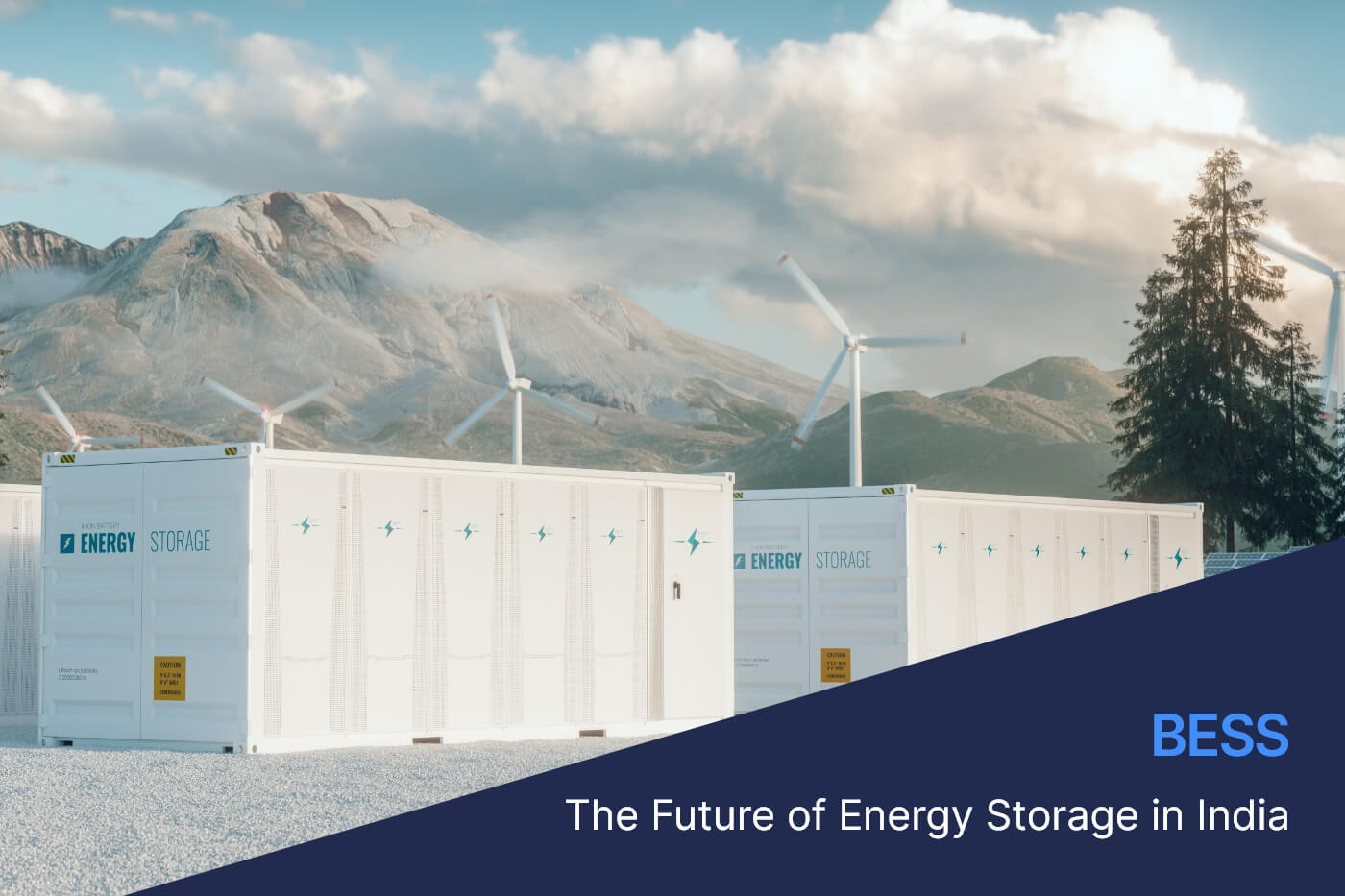
The Future of Energy Storage in India – BESS
-
 17 February 2025
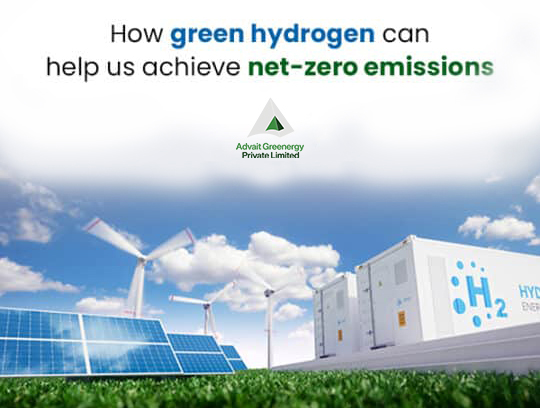
How Green Hydrogen Can Help Us Achieve Net-Zero Emissions
-
 17 February 2025
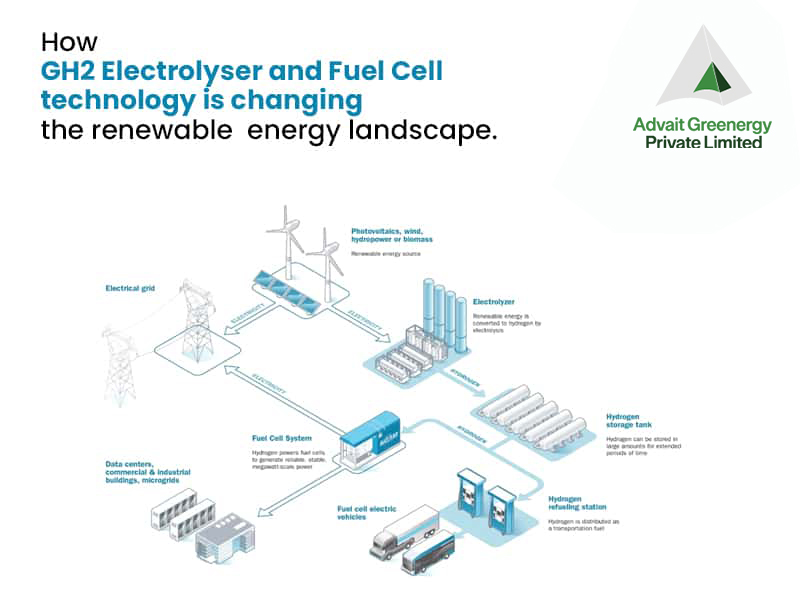
Revolutionizing Renewable Energy: GH2 Electrolyser and Fuel Cell Technology
-
 18 April 2026
Grey Hydrogen vs Green Hydrogen | Advait Greenergy | AGPL | Advait Group | Advait Energy | AETL
-
23 May 2026
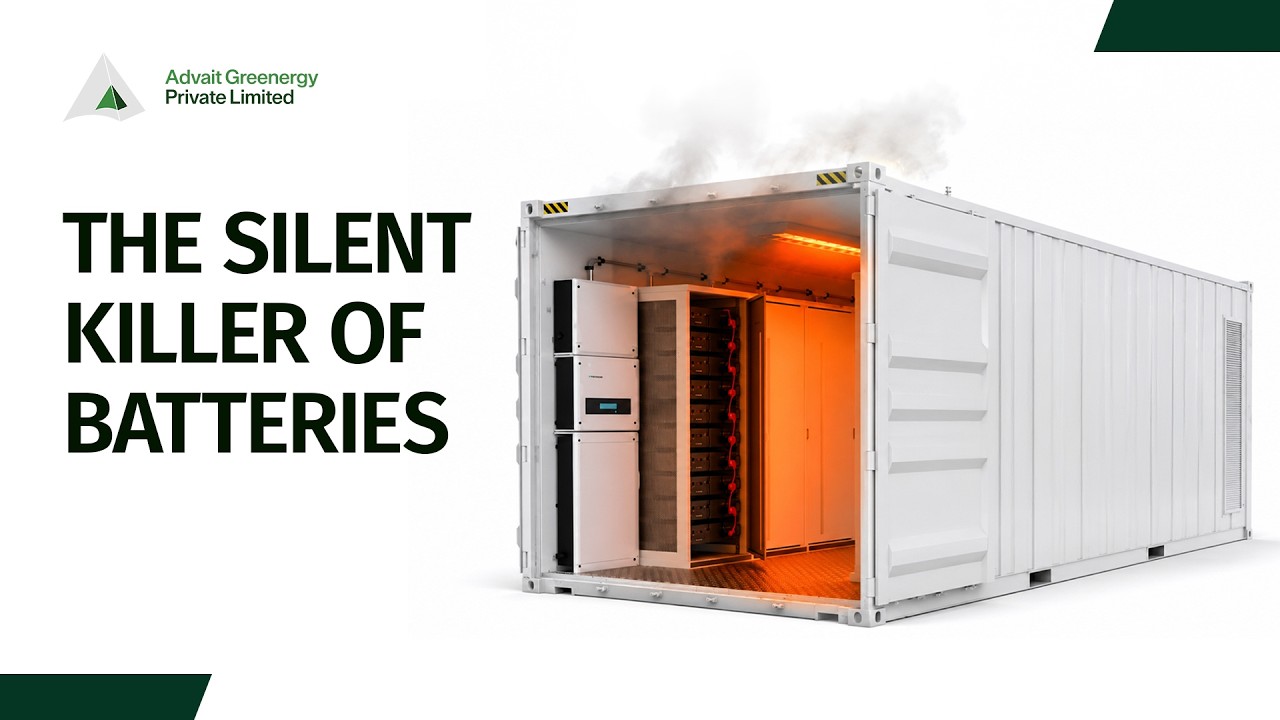
THE SILENT KILLER OF BATTERIES | Advait Group | Advait Greenergy | AGPL | Advait Energy
September 12, 2026
Solar Power
Ground-Mounted Solar Power for Factories and Industrial Facilities
Share On

Ground-mounted solar power is an option for industrial facilities where suitable land is available, and the factory roof presents structural, operational, or expansion constraints. The plant is installed on dedicated mounting structures at ground level and designed around the site's electrical load, land conditions, and grid connection requirements.


Why factories choose ground-mounted solar power over rooftop systems
For an industrial user, the choice between ground-mounted and rooftop begins with site conditions.An existing factory roof may have load limitations that restrict the installation of modules and supporting structures. Roof age is another consideration, particularly where repairs or replacement may be required during the operating life of the solar plant.Future expansion also matters. A manufacturer planning additional production blocks, utilities or warehouse space may prefer to keep roof areas available for operational changes.Where suitable land is available within or near the industrial site, ground mounting can provide greater flexibility in plant layout, module orientation, access and future site planning.| Factor | Ground mounted | Industrial rooftop |
| Structural dependency | Depends mainly on land and foundation conditions | Depends on roof strength and condition |
| Roof age | Does not affect mounting feasibility | Can influence project feasibility |
| Factory expansion | Can be planned separately from buildings | May conflict with future roof use |
| Maintenance access | Dedicated access can be incorporated into layout | Access depends on roof design |
| Land requirement | Requires suitable available land | Uses existing roof area |
Land Requirement Per MW and Layout Considerations
Ground-mounted solar typically requires between 4 and 5 acres per MW, though the exact figure depends on module and tracker technology, row spacing and site topography Layout affects land efficiency directly. Row spacing must account for inter-row shading as the sun angle changes through the day and across seasons, so tighter spacing increases land utilisation but can reduce annual generation if shading losses rise. Site shape, access roads and setback requirements also reduce the usable area within a plot.Mounting structures and foundation selection
The mounting arrangement determines module orientation and influences land use, energy generation profile, and mechanical design.Fixed tilt
Fixed tilt structures hold modules at a predetermined angle. The arrangement has no routine tracking movement and is designed around site orientation, solar resource, and structural requirements.Seasonal tilt
Seasonal tilt systems allow the module angle to be adjusted at selected intervals. Their suitability depends on the operating strategy, structure design and maintenance requirements of the project.Single-axis tracking
Single-axis tracking changes module orientation during the day along one axis. Site geometry, terrain, operating requirements and mechanical complexity must be considered before selecting this arrangement.| Structure type | Site considerations | Design consideration |
| Fixed tilt | Suitable for sites where a static layout meets project requirements | Row spacing, orientation and structural loading |
| Seasonal tilt | Requires provision for periodic adjustment | Access and adjustment methodology |
| Single-axis tracking | Requires layout suitable for moving structures | Terrain, spacing, drive system and maintenance access |


